
Antioxidants Explained: What Your Health Score Really Means
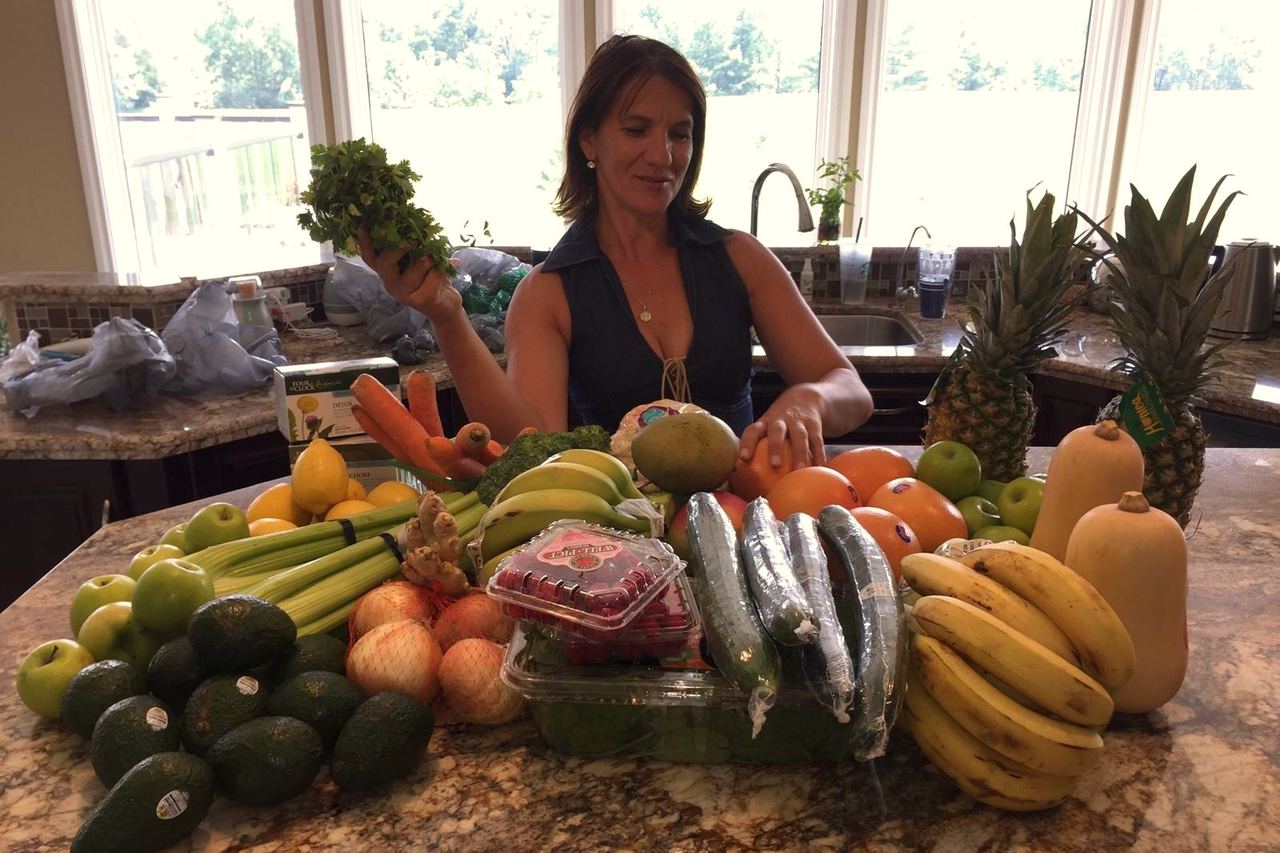
Antioxidants get sprinkled across food labels and supplement bottles like magic dust — but what are they really, and what does an antioxidant “health score” actually tell you? In plain terms, antioxidants are the compounds that help your body defend its cells against everyday wear and tear, and your score is simply a snapshot of how well-stocked those defences appear to be.
As a Certified Nutrition Coach and a longtime antioxidants and supplements enthusiast, I love this topic because it turns a vague buzzword into something you can actually see and act on. In this guide I’ll walk you through what antioxidants do, what a health score measures, where to find them on your plate through an Ontario winter, and the honest truth about supplements.
What Antioxidants Actually Do
Every day your cells produce energy, and a normal by-product of that process is unstable molecules called free radicals. Add in stress, sun, pollution, smoking, poor sleep and highly processed food, and free radicals can start to outnumber your defences. When that imbalance tips too far, scientists call it oxidative stress — think of it as slow, invisible rust on the inside.
Antioxidants are your body’s rust-proofing. They neutralize free radicals before those molecules can nick your cells, and they come both from inside your body and from what you eat. Colourful plant foods are especially rich in them — vitamin C, vitamin E, and the carotenoid pigments that make carrots orange, tomatoes red and kale deep green.
Research suggests a diet consistently high in these plant compounds supports healthy aging, energy and recovery. It’s not a cure for anything, and no single berry is a miracle — but the pattern over months and years genuinely matters, which is exactly why it’s worth measuring.
What Your Antioxidant “Health Score” Really Means
A health score from an antioxidant scan is not a diagnosis and it doesn’t grade your whole health. Most non-invasive scanners work by shining light on your palm and reading the level of carotenoids in your skin. Because carotenoids build up in tissue only when you eat them regularly, that reading works as a reasonable proxy for how many antioxidant-rich fruits and vegetables you’ve been eating over the past weeks and months.
In other words, your score is a mirror of your habits, not a verdict on your character. A lower number usually means there’s easy room to add more colour to your plate; a higher number is encouraging feedback that your routine is working. What I love about it as a coach is the motivation — people who can see a number tend to keep improving it, the same way a step count nudges you to walk a little more.
One honest caveat: a score reflects intake trends, not disease, and it can’t replace bloodwork or advice from your physician. I use it as a starting conversation and a way to track progress over time, never as a medical test.
Food First: Eating the Rainbow Through an Ontario Winter
The most reliable way to raise your antioxidant levels is also the most delicious: eat a wide range of colourful whole foods. Each colour family tends to carry a different mix of protective compounds, so variety beats loading up on one “superfood.” This is the whole idea behind eating the rainbow, and it’s the foundation of every plan I build in nutrition coaching.
Winter in North Bay makes fresh, local produce feel scarce — but your antioxidant intake doesn’t have to nosedive from November to April. Frozen berries and vegetables are picked and flash-frozen at peak ripeness, so they often hold their nutrients beautifully. Root vegetables, cabbage, dark leafy greens, citrus and warming spices like turmeric and cinnamon all carry you through the cold months.
- Red & pink: tomatoes, red peppers, strawberries, watermelon
- Orange & yellow: carrots, sweet potato, squash, oranges, mango
- Green: spinach, kale, broccoli, Brussels sprouts, peas
- Blue & purple: blueberries, blackberries, red cabbage, beets
- White & brown: garlic, onions, mushrooms, whole grains
- Pantry heroes for winter: frozen berries, canned tomatoes, green tea, dark chocolate (in moderation), herbs and spices
Do You Actually Need Supplements?
This is the question I get most, and my answer surprises people: for most healthy adults, food comes first. Whole foods deliver antioxidants alongside fibre, water and hundreds of cooperating compounds that a single pill can’t replicate. Megadoses of isolated antioxidant vitamins haven’t lived up to early hype, and more is not automatically better.
That said, supplements have their place — filling a genuine gap, supporting a specific season of life, or complementing a diet that can’t cover everything. The key is choosing quality products for the right reasons rather than collecting bottles out of anxiety. If you’re curious where to actually start, I walk through this in the article on supplements worth taking, and I help clients audit their cupboard in supplements and gut-health coaching.
Because supplements can interact with medications and health conditions, please talk with your physician or pharmacist before adding anything new — especially if you’re managing a chronic condition, pregnant, or over 50 and on prescriptions. Coaching complements that professional advice; it never replaces it.
Simple Ways to Raise Your Score
You don’t need a total diet overhaul to move the needle. Small, repeatable habits stacked over a season are what actually change a health score. Here’s the approach I use with clients, in order of easiest to most impactful:
- Add one extra serving of colourful produce to a meal you already eat — a handful of frozen berries in oatmeal is a two-second win.
- Keep frozen fruit and veg stocked so a snowstorm never means a nutrient gap.
- Build half your plate from vegetables and fruit at your two biggest meals.
- Swap one sugary drink for green tea or water with citrus.
- Cook with herbs and spices generously — they’re concentrated antioxidant sources.
- Protect what you have: prioritize sleep, manage stress, limit smoking and excess alcohol, and stay active outdoors.
A Quick Antioxidant Habit Checklist
Not sure where you stand? Run through this quick self-check. If you can’t tick most boxes, that’s simply your opportunity list — no guilt required.
- I eat vegetables or fruit at most meals, not just dinner.
- My plate includes more than one colour on a typical day.
- I keep frozen produce on hand for winter weeks.
- I get outside and move my body regularly.
- I prioritize 7-9 hours of sleep most nights.
- I’ve had my antioxidant level measured, or I’d like a baseline.
How I Help — From Score to Real Change
I’ve spent more than twenty years as a fitness professional and I’m a Certified Nutrition Coach through the Food Matters Institute, with a long-standing focus on antioxidants, supplements and healthy aging. Growing up in the mountains of Romania, I learned early from my parents that vibrant health starts with real food and time in nature — a philosophy I brought to Canada and built NU-U Health & Fitness around back in 2008.
When we work together, an antioxidant assessment gives us a clear baseline, and from there we design a plan that fits your real life, your Ontario seasons and your goals — whether that’s more energy, better recovery, or aging strong. I coach in person here in North Bay and the Nipissing District, and online with clients across Canada and the United States, so support is available wherever you are.
The goal is never a perfect score. It’s building a way of eating and living that feels sustainable and genuinely makes you feel better, week after week.
Frequently asked questions
Is an antioxidant health score a medical test?
No. It's a non-invasive snapshot of how many antioxidant-rich foods you've been eating recently, usually estimated from carotenoid levels in your skin. It's a motivating progress tool, not a diagnosis, and it doesn't replace bloodwork or advice from your physician.
Can I get enough antioxidants in the winter?
Yes. Frozen berries and vegetables, root vegetables, citrus, dark leafy greens, green tea and spices all keep your intake strong through an Ontario winter. Frozen produce is picked at peak ripeness, so it often holds its nutrients very well.
Should I take antioxidant supplements?
For most healthy adults, food comes first — whole foods deliver antioxidants with fibre and other helpful compounds. Supplements can fill genuine gaps, but choose quality products for the right reasons and check with your physician or pharmacist before starting anything new.
How fast can I raise my score?
Because skin carotenoids build up gradually, most people see meaningful change over several weeks of eating more colourful produce consistently. It reflects a pattern, not a single good day, which is why steady habits win.
Ready to feel your best?
Antioxidants aren’t magic dust — they’re the everyday result of eating colourfully, moving often and taking care of yourself, and a health score simply helps you see your progress. If you’re curious where you stand, book a free intro call and let’s get your baseline with an antioxidant assessment, then build a plan that carries you strong through every Ontario season. Move well, age strong, live vibrant — I’d love to help you get there.
Note: the information in this article is general in nature and may change over time. It is not individual medical or fitness advice. For guidance tailored to your situation, get in touch or call (519) 209-3500.