
The Healthy-Aging Mindset: How to Stay Strong, Mobile and Independent for Life
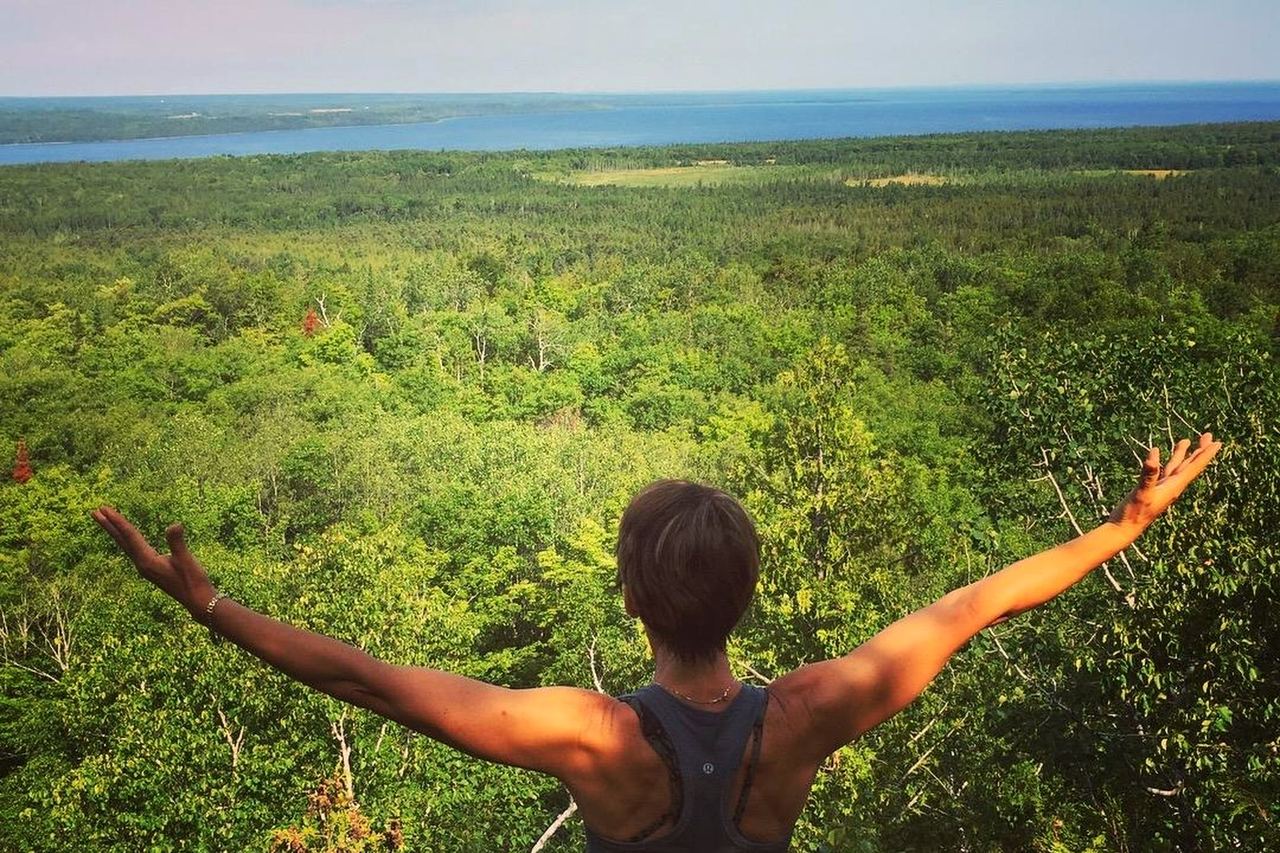
Healthy aging isn’t about fighting the calendar or chasing the body you had at twenty. It’s a mindset — a daily decision to move well, stay strong, and protect the independence that lets you live life on your own terms. The best part? The habits that keep you mobile, capable and vibrant in your 60s, 70s and beyond are ones you can start building today, at almost any age and any fitness level.
I’m Elena Tonietto, founder of NU-U Health & Fitness here in North Bay, Ontario. I’ve spent more than 20 years as a fitness professional, and since 2006 I’ve specialized in personal training and older-adult fitness. What I’ve watched happen again and again is beautifully simple: the people who thrive as they age aren’t the ones with flawless genes — they’re the ones who kept showing up. Here’s how to build that same momentum, wherever you’re starting from.
What Healthy Aging Really Means
Aging itself is inevitable. But a surprising amount of what we casually call “getting old” — the stiffness, the weakness, the loss of balance and energy — is far more about disuse than about birthdays. Research consistently suggests that much of the decline people fear is modifiable, meaning your daily choices carry real weight in how you feel a decade from now.
That’s why healthy aging starts between your ears. When you stop seeing your body as something that’s winding down and start treating it as something you’re actively investing in, everything changes. You’re not exercising to look a certain way; you’re training so you can climb the stairs at 80, lift a grandchild, carry your own groceries through a snowy parking lot, and stay in your own home on your own terms. Independence is the goal — and it’s a goal you can train for.
Strength Is the Foundation of Independence
If I could convince every adult over 40 of one thing, it would be this: build and keep your muscle. Starting somewhere in our 30s and 40s, we gradually lose muscle mass and power unless we give the body a reason to hold on to it. That quiet loss is exactly what erodes independence later — it’s the difference between rising easily from a chair and needing both arms and a running start.
The reassuring news is that muscle responds to training at every age. I’ve coached clients in their 60s and 70s who got noticeably stronger, steadier and more confident within a few months of consistent, well-designed work. You don’t need to lift heavy like a competitive athlete — you need to challenge your muscles progressively and regularly. This is the heart of my functional strength and mobility coaching: training the real movements life actually asks of you.
A few practical ways to begin (and always check with your physician before starting a new program):
- Aim for two full-body strength sessions a week, with at least a day of recovery between them.
- Prioritize the big, functional patterns — squatting, hinging, pushing, pulling and carrying.
- Start with your body weight or light resistance, and add a little challenge as movements feel easier.
- Focus on getting up and down from the floor; it’s one of the strongest predictors of staying mobile.
- Be consistent over months, not perfect for a week — steady beats spectacular every time.
Balance and Mobility: Protecting Your Future Self
In Northern Ontario, we know a thing or two about icy driveways and slippery January sidewalks. Balance isn’t a “someday” concern — it’s a skill you can sharpen now to protect the person you’ll be in twenty years. Good balance and joint mobility keep you steady on uneven ground, help you catch yourself before a stumble becomes a fall, and let you keep doing the outdoor activities you love through every Canadian season.
The encouraging truth is that balance is trainable, and it improves quickly when you practise it. A little every day goes a long way — you can weave it into brushing your teeth or waiting for the kettle. For more ideas on this, my article on balance exercises for seniors walks through gentle, effective options, and my posture, balance and core sessions build these skills in a supportive setting.
- Practise standing on one foot for 20-30 seconds, holding a counter for safety at first.
- Walk heel-to-toe in a straight line, as if on a tightrope, for ten slow steps.
- Move joints through their full range daily — ankles, hips and shoulders especially.
- Add gentle, controlled movements that shift your weight, like slow side steps or reaching.
- In winter, keep an indoor balance routine going so you don’t lose ground when it’s icy out.
Fuel Your Years: Nutrition for Aging Well
You can’t out-train a diet that leaves your body underfuelled, and as we age, what we eat matters more than ever. Two themes come up constantly in my work as a Certified Nutrition Coach: getting enough protein, and eating a genuine rainbow of colourful whole foods. Protein gives your muscles the raw material to rebuild after training, while colourful vegetables and fruit deliver the antioxidants and fibre that support overall vitality.
None of this needs to be complicated or joyless. Small, sustainable shifts — a protein source at every meal, an extra handful of vegetables, more water through the day — compound powerfully over the years. If you’d like personalized guidance, my nutrition coaching meets you where you are, no fad diets and no guilt. And if you want a simple starting point, my post on eating the rainbow makes colourful eating approachable. As always, talk with your doctor or a dietitian about any specific medical or dietary needs before making big changes.
Keep Moving Through the Ontario Winter
Let’s be honest: staying active from November to April in North Bay takes intention. The days are short, the driveway needs shovelling, and the couch is very persuasive. Yet winter is precisely when consistency protects your progress — momentum lost over a long, dark season can take months to rebuild come spring.
The trick is to have a plan that doesn’t depend on the weather. Bundle up for a brisk walk when the sidewalks are clear, and keep a reliable indoor option for the days they aren’t. This is exactly why I offer online classes you can join from your living room, whether you’re here in Nipissing District or anywhere across Canada or the USA. If the season tends to flatten your energy and motivation, my article on how to beat the winter slump offers realistic strategies to keep you moving until the trails thaw.
The Mindset Habits That Keep You Going
Everything above works — but only if you keep at it. The real secret to healthy aging isn’t a perfect workout or a magic supplement; it’s the quiet, repeatable habits that turn good intentions into a way of life. Over two decades of coaching, from school gyms to outdoor bootcamps to one-on-one training, I’ve noticed the same patterns in people who age with strength and joy.
Here are the mindset habits worth cultivating:
- Play the long game — think in years, not weeks, and let consistency do the heavy lifting.
- Anchor movement to something meaningful, like keeping up with grandkids or hiking a favourite trail.
- Find your people; a class or a coach makes you far more likely to show up.
- Track a simple win each week so you can see progress you’d otherwise forget.
- Be kind to yourself on the off days — one missed session is a comma, not a full stop.
- Remember that rest, sleep and recovery are part of training, not the opposite of it.
Frequently asked questions
Is it ever too late to start focusing on healthy aging?
Almost never. The body responds to strength, balance and mobility training well into our later decades. What matters most is starting where you are and staying consistent. Check with your physician first, then begin gently and build gradually.
How often should I strength train for healthy aging?
For most adults, two full-body sessions a week with recovery days in between is a solid, sustainable starting point. Quality and consistency matter more than intensity. A coach can tailor the load and movements to your ability and any health considerations.
Do I need a gym or fancy equipment?
Not at all. Much of what protects your strength, balance and independence can be done at home with body weight or simple resistance. Online coaching and small-group classes make it easy to train effectively from your own living room.
Ready to feel your best?
You don’t have to figure this out alone. Whether you’re 45 and future-proofing your body or 75 and rebuilding confidence, small, consistent steps add up to a remarkable difference over time. If you’d like a plan built around your goals and your life, book a free intro call and explore healthy aging coaching with me here in North Bay or online across Canada and the USA. Move well, age strong, and live vibrant — your strongest years can still be ahead of you.
Note: the information in this article is general in nature and may change over time. It is not individual medical or fitness advice. For guidance tailored to your situation, get in touch or call (519) 209-3500.