
Protein for Women: How Much Do You Really Need?
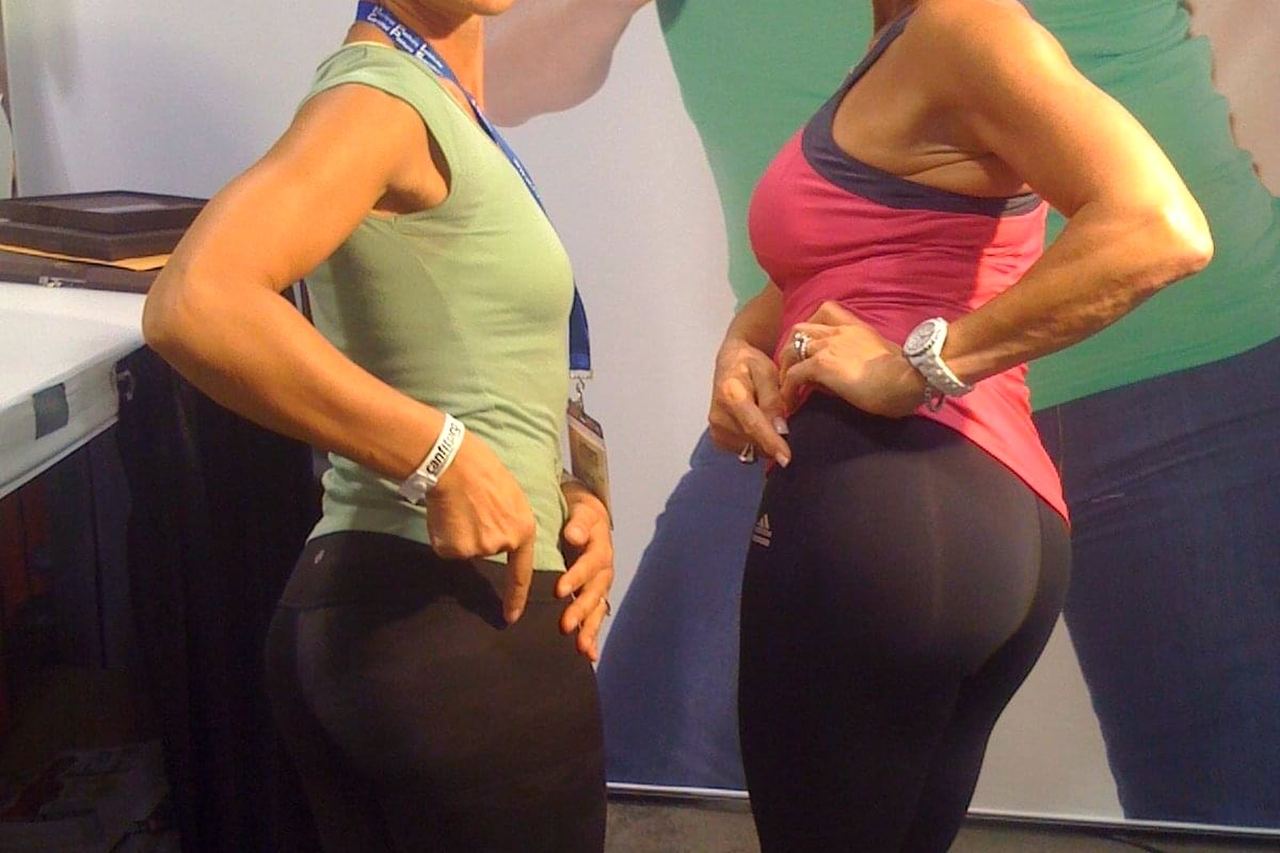
If you train hard, chase kids or trails, or simply want to feel strong through a long North Bay winter, one nutrient does more heavy lifting than any other: protein. Yet most active women quietly under-eat it. Getting protein for women right isn’t about fancy powders or extremes. It’s about eating enough of the right foods, spread through your day, to protect your muscle, steady your energy, and support your goals at every age.
As a Certified Nutrition Coach and personal trainer who has spent 20+ years working with women, many of them over 50, I’ve watched a simple protein upgrade change how someone moves, recovers, and feels in her own body. Below we’ll break down how much you really need, where to get it here in Ontario, and how to make hitting your target almost effortless. As always, check with your physician before making big changes, especially if you have kidney concerns or an existing medical condition.
How Much Protein for Women, Really?
The number you’ve probably heard, roughly 0.8 grams per kilogram of bodyweight, is a minimum designed to prevent deficiency in a sedentary adult. It was never meant to help an active woman thrive. Research suggests that women who exercise regularly do noticeably better with more: often somewhere in the range of about 1.2 to 2.0 grams of protein per kilogram of bodyweight per day, depending on how hard and how often you train, your age, and whether you’re trying to lose fat or build strength.
Here’s the quick math. Take your weight in kilograms (pounds divided by 2.2), then multiply. A 68 kg (150 lb) woman lands somewhere between roughly 82 and 136 grams of protein a day. A sensible middle target for most active women is around 1.6 g/kg, which for her is about 110 grams. If you’re in a weight-loss phase, recovering from tough training, or over 50, leaning toward the higher end tends to help. If you have any kidney condition, talk this through with your physician first rather than guessing.
Why Active Women Need More as the Years Add Up
Muscle is the reason this matters so much. From our early thirties onward, we slowly lose muscle unless we give the body a reason to keep it, and around menopause shifting hormones make muscle and bone harder to hold onto. That lost muscle is what quietly steals strength, balance, and metabolic health over the decades. The good news is that the pairing of enough protein plus regular resistance training is exactly what helps you push back, which is a theme I return to again and again in my work on strength training after 50.
Protein is also what you rebuild with. After a spin class, a snowshoe trek, or a summer trail race, your muscles repair using the amino acids you eat. Under-fuel and you feel it: slower recovery, nagging soreness, stubborn plateaus. During our long Ontario winters, when many women shift indoors to lift and train, dialing protein up is one of the simplest ways to hold onto strength and energy until the trails thaw. This is a cornerstone of healthy aging that too many nutrition plans overlook.
How to Spread Your Protein Through the Day
Total protein matters most, but how you distribute it makes a real difference too. Your body can only use so much at once to rebuild muscle, so a big steak at dinner after a protein-empty morning is a missed opportunity. Aim for roughly 25 to 35 grams of protein at each main meal instead of backloading it all into the evening.
- Anchor breakfast with protein first. Eggs, Greek yogurt, or cottage cheese beat a toast-and-coffee start that leaves many women running on almost none.
- Build each plate around a palm-or-two-sized portion of a protein food before you fill the rest.
- Add a protein-forward snack, like yogurt, a handful of edamame, or cheese and fruit, to bridge long gaps.
- Bookend your workouts with protein within a few hours on either side to support recovery.
- Don’t cram the whole day’s total into one meal. Even, steady servings work better than one giant hit.
Best Protein Sources for Active Women
You don’t need exotic ingredients to hit your target. A well-stocked Canadian kitchen already holds plenty, and mixing animal and plant sources gives you fibre, antioxidants, and variety alongside the protein. Here’s a reliable checklist to keep on your grocery list:
- Eggs and egg whites (a portable, budget-friendly staple)
- Greek yogurt, skyr, and cottage cheese
- Chicken, turkey, and lean cuts of beef or pork
- Fish and seafood, including canned salmon and tuna
- Lentils, chickpeas, black beans, and edamame
- Tofu, tempeh, and edamame for plant-based days
- Milk, cheese, and fortified soy beverages
- A quality protein powder when convenience wins, not as a replacement for real food
Protein, Weight Loss, and Staying Strong
If a leaner, stronger body is your goal, protein is your best ally, and this is where I see the fastest wins with clients. Protein is the most filling of the three macronutrients, so meals built around it tend to keep hunger quiet for longer. Your body also burns a little more energy simply digesting protein than it does with carbs or fat. Most importantly, eating enough protein while in a modest calorie deficit helps preserve the muscle you already have, so the weight you lose comes more from fat and less from the strength you’ve worked hard to build.
Pair that with two or three resistance sessions a week and you get the outcome most women actually want: not just a smaller number on the scale, but a body that moves well and looks toned. This is the approach at the heart of my weight-loss coaching, where the plan is always about adding strength and steady habits rather than crash dieting your way to burnout.
Protein Myths Worth Dropping
A few stubborn myths keep women eating far less protein than would serve them. Let’s clear the biggest ones:
- “Protein makes women bulky.” It doesn’t. Building large muscles takes years of dedicated training and eating; for the rest of us, protein simply supports the lean, capable strength we’re after.
- “High protein harms your kidneys.” For healthy kidneys, research suggests higher-protein eating is generally well tolerated. If you already have kidney disease, that’s a genuine reason to work with your doctor first.
- “Plant protein doesn’t count.” It absolutely does. Eating a variety of beans, soy, grains, and nuts across the day covers your needs beautifully, no meat required.
- “You only need protein if you lift heavy.” Every active woman, from walkers to weekend hikers, benefits from enough protein to recover and maintain muscle.
Frequently asked questions
Is too much protein bad for my kidneys?
For women with healthy kidneys, research suggests higher-protein eating is generally well tolerated. If you have kidney disease or another medical condition, speak with your physician before increasing your intake.
Do I really need protein powder?
No. Whole foods like eggs, yogurt, fish, and legumes should come first. Protein powder is simply a convenient tool for busy days or post-workout, not a requirement.
Will eating more protein make me bulky?
No. Getting bulky takes years of specialized training and eating. For most women, adequate protein supports lean, functional strength and better recovery, not size.
When should I eat protein around a workout?
Aim to have a protein-rich meal or snack within a few hours before and after training. Consistent daily total matters more than perfect timing, so don't stress the clock.
Ready to feel your best?
Getting protein right doesn’t have to be complicated: eat enough, spread it through your day, and build meals around real food you enjoy. If you’d like a target that fits your body, your goals, and your Ontario lifestyle, my nutrition coaching takes the guesswork out of it, step by simple step. Book a free intro call and let’s build a plan that helps you move well, age strong, and live vibrant.
Note: the information in this article is general in nature and may change over time. It is not individual medical or fitness advice. For guidance tailored to your situation, get in touch or call (519) 209-3500.