
Why Core Strength Is the Key to Better Posture
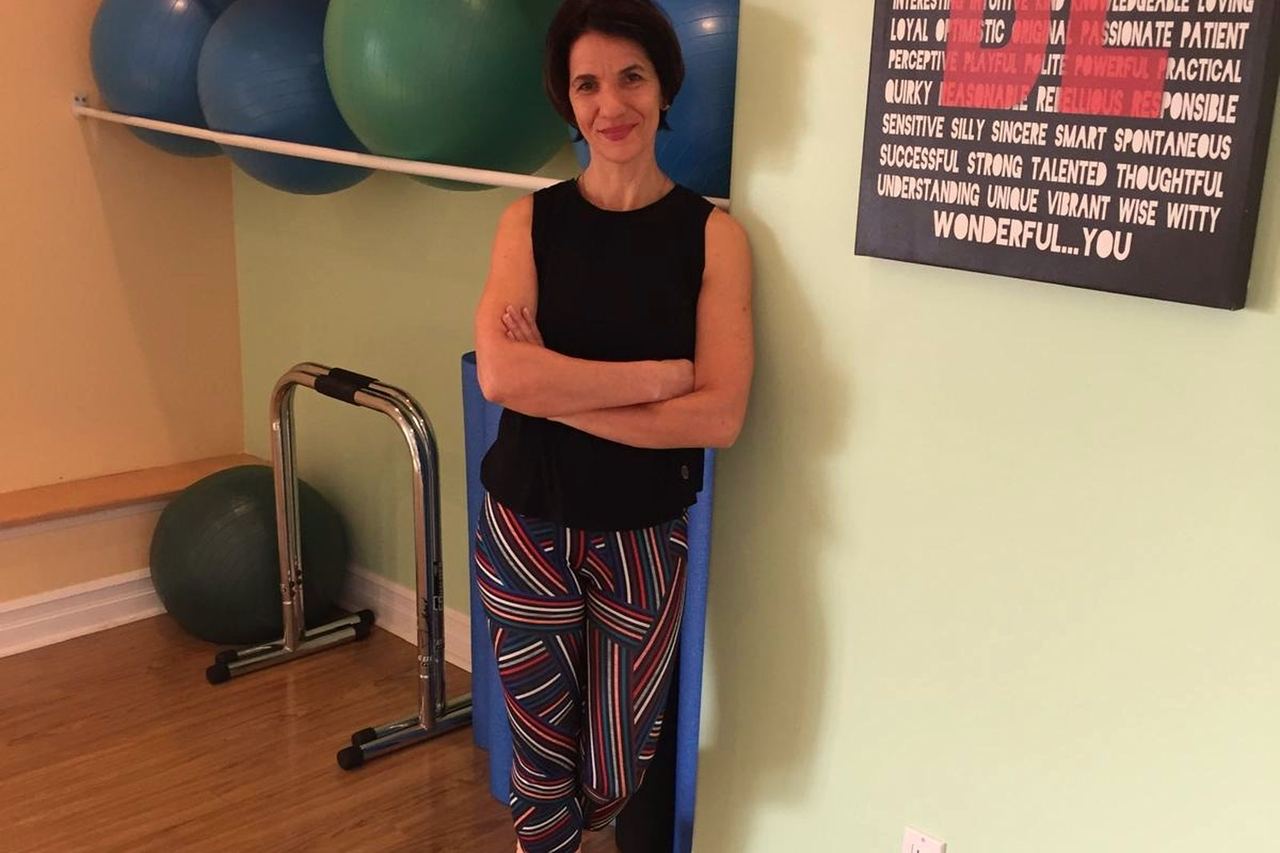
If you have ever caught your reflection and noticed rounded shoulders or a slumped lower back, the fix probably isn’t just “sit up straight” — it starts deeper. Core strength and posture are tightly linked: the muscles that wrap around your midsection are the scaffolding that holds you upright all day long. Build that scaffolding, and standing tall stops feeling like effort and starts feeling like home.
I’m Elena Tonietto, a certified Pilates instructor and personal trainer here in North Bay, and I’ve spent nearly two decades helping people rediscover how good it feels to move from a strong centre. In this article, I’ll show you why your core is the real key to better posture, how to tell if yours needs some love, and simple, evidence-informed ways to build it — no gym required.
What Your Core Actually Is (It’s Not Just Abs)
When most people hear “core,” they picture six-pack abs. But your core is so much more than the muscles you see in the mirror. Think of it as a natural corset — a cylinder of muscle that wraps all the way around your midsection. The front and sides include your rectus abdominis and obliques, but the real posture heroes sit deeper: the transverse abdominis, which acts like an internal weight belt, and the multifidus, tiny muscles that stabilize each segment of your spine.
The top of that cylinder is your diaphragm, the main breathing muscle, and the floor is your pelvic floor. Your glutes and the muscles running along your spine complete the picture. When all of these work together, they create a stable, springy centre that lets your arms and legs move freely while your spine stays supported. When they’re weak or “switched off” — often from years of sitting — your body compensates, and posture is usually the first thing to suffer.
How Core Strength and Posture Work Together
Good posture isn’t about rigidly holding yourself upright through sheer willpower. It’s about having enough deep strength that a tall, aligned position feels natural and sustainable. This is exactly where core strength and posture become inseparable. Your deep core muscles are what keep your pelvis level, your ribcage stacked over your hips, and your head balanced over your shoulders rather than drifting forward.
When your core is strong and responsive, it does this stabilizing work automatically, thousands of times a day, without you thinking about it. When it’s weak, other muscles — your neck, upper traps and lower back — get recruited to do a job they were never designed for. That’s often what’s behind the nagging tension between the shoulder blades or the tired lower back at the end of a long day at the desk. Strengthening from the inside out takes the pressure off those overworked areas.
Signs Your Core Could Use Some Attention
Not sure whether your core is pulling its weight? You don’t need a lab test — your body offers plenty of clues. Run through this quick self-check:
If several of these sound familiar, it’s not a reason for worry — it’s simply useful information. Almost everyone can improve here, and the deep core responds remarkably well to consistent, gentle training.
- Your shoulders round forward when you’re tired or focused on a screen
- You feel low-back fatigue or tension after standing or sitting for a while
- Balancing on one foot — to pull on socks, say — feels wobbly
- You hold your breath or brace hard when lifting something heavy
- Your head tends to drift forward, ahead of your shoulders
- You notice a soft “pooch” low in your belly even when you’re not relaxed
Why Core and Posture Matter More Through Ontario Winters and as We Age
Here in Northern Ontario, we know how easily the winter months chip away at good movement habits. When it’s dark by late afternoon and the sidewalks are icy, we naturally spend more time curled on the couch and less time walking, hiking or gardening. All that extra sitting lets the deep core go quiet and the postural muscles stiffen — which is exactly why I see so many people feeling hunched and creaky by February.
Posture also becomes more important with every decade. A strong core is closely tied to balance, and good balance is one of the best things you can maintain for confident, independent movement as you age. As a trainer who has specialized in older-adult fitness since 2006, I’ve watched clients in their 60s, 70s and beyond stand taller, move with more ease and feel steadier on their feet after just a few months of focused posture, balance and core work. It’s never too late to start, and the payoff shows up in everyday life — reaching, carrying groceries, getting up off the floor to play with the grandkids.
Five Foundational Moves to Build Core Strength for Better Posture
You don’t need fancy equipment to start building a posture-supporting core. These five foundational moves are safe for most people and can be done at home. Move slowly, breathe steadily, and stop if anything causes pain.
Aim for these a few times a week. Consistency matters far more than intensity — five focused minutes most days will do more for your posture than one exhausting session. If your days are desk-bound, pairing these with a short desk mobility routine can make a noticeable difference.
- Diaphragmatic breathing: Lie on your back, one hand on your belly. Inhale to gently expand your ribs and belly, then exhale and feel your deep core draw in. This “wakes up” the transverse abdominis — the foundation for everything else.
- Dead bug: On your back, arms reaching toward the ceiling, knees bent at 90 degrees. Slowly lower one arm and the opposite leg while keeping your low back gently anchored, then alternate. This teaches your core to stay stable while your limbs move.
- Bird dog: On hands and knees, extend one arm and the opposite leg until they’re level with your torso, hold briefly, then switch. Keep your hips square and spine long — a favourite for lower-back stability.
- Glute bridge: On your back, knees bent and feet flat, press through your heels to lift your hips and squeeze your glutes at the top. Strong glutes are part of your posterior core and help you stand tall.
- Wall angels: Stand with your back against a wall, arms in a goalpost shape. Slowly slide your arms up and down while keeping your ribs and lower back close to the wall — a gentle antidote to rounded, screen-hunched shoulders.
Why Pilates Is My Go-To for Posture
Of all the tools I’ve used over 20 years of coaching, Pilates remains my favourite for building the kind of core strength that translates directly into better posture. I certified as a Pilates instructor back in 2007, and what drew me in was its relentless focus on the deep stabilizing muscles, breath and alignment — the very things posture depends on.
Pilates teaches you to move from your centre with control rather than momentum, which retrains lifelong habits in a way that endless crunches never will. I’ve built that same principle into the NU Bar, my own choreographed weighted-bar training, and into the Pilates classes and outdoor bootcamps I’ve led since founding NU-U back in 2008. Whether you prefer a group setting or the focused attention of private Pilates, the goal is the same: a strong, supple centre that holds you upright with ease long after class ends.
A Quick, Honest Note on Safety
This article is educational and meant to support general wellness — it isn’t intended to diagnose or treat any condition. If you have an existing back issue, are pregnant or recently postpartum, or have been away from exercise for a while, please check in with your physician before starting a new program. Good coaching always meets you where you are, and a qualified professional can help you modify these movements so they’re both safe and effective for your body.
Frequently asked questions
How long does it take to see better posture from core work?
Many people notice they feel more upright and less achy within a few weeks of consistent practice, though lasting change to habitual posture usually takes a couple of months. Frequency beats intensity — a little most days works best.
Can core exercises help with lower-back discomfort?
A strong, balanced core can take pressure off the lower back, and many people find everyday tasks feel easier. That said, back pain has many causes, so if yours is persistent or severe, see your physician or a qualified practitioner first.
Do I need equipment or a gym to strengthen my core?
Not at all. The foundational moves in this article use only your body weight and a bit of floor space, which makes them perfect for Ontario winters when getting to the gym is a hassle.
Is Pilates better than regular ab workouts for posture?
For posture specifically, Pilates has an edge because it trains the deep stabilizing muscles, breath and alignment together rather than just the surface abs. Both have value, but if posture is your goal, a Pilates-informed approach tends to transfer better to daily life.
Ready to feel your best?
Your posture isn’t a fixed trait you’re stuck with — it’s a skill your core can relearn at any age. Start with a few minutes a day, be patient, and notice how much lighter standing tall begins to feel. If you’d like a friendly hand getting started, I’d love to help: book a free intro call and let’s build a plan around your goals with focused posture, balance and core coaching, in person here in North Bay or online across Canada and the US. Move well, age strong, and live vibrant.
Note: the information in this article is general in nature and may change over time. It is not individual medical or fitness advice. For guidance tailored to your situation, get in touch or call (519) 209-3500.