
Forest Bathing: The Science-Backed Benefits of Time in Nature
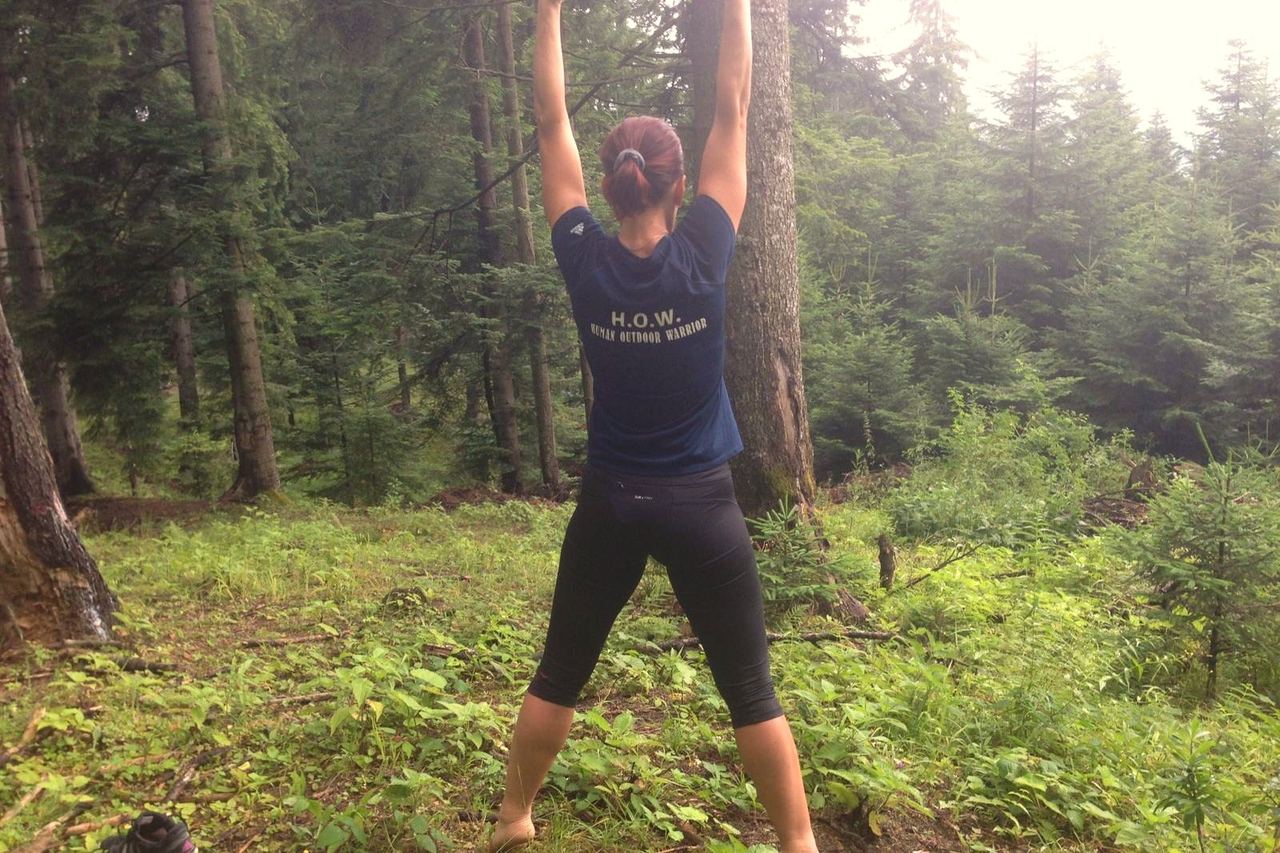
Step into a quiet stand of pines, slow your breathing, and let your senses do the rest. This is forest bathing, and the benefits reach far beyond a pleasant walk. Research suggests that unhurried, mindful time among trees can help lower stress, lift your mood, and leave you feeling more grounded and energized. In our fast-paced, screen-lit lives, the forest bathing benefits waiting in North Bay’s woods are one of the simplest forms of self-care you can give yourself, in any season.
The best part? You do not need to be fit, fast, or experienced. Forest bathing is not about distance or heart rate. It is about presence. Below, you will find what the practice actually is, what the science gently points to, and how to fold it into your week whether you have five minutes in a city park or an afternoon along a Nipissing trail.
What Exactly Is Forest Bathing?
Forest bathing began in Japan in the 1980s under the name shinrin-yoku, which translates roughly to “taking in the forest atmosphere.” It is not hiking, jogging, or a fitness class. There is no destination and no step count to hit. Instead, you move slowly and deliberately, opening your senses to the sounds, smells, textures, and light around you.
You might pause to feel the roughness of bark, listen to wind moving through the canopy, or watch the way sunlight filters through leaves. That intentional slowing-down is the whole point. If you would like a deeper look at the practice and how a guided session unfolds, my article on what forest therapy really involves walks through it step by step. In my own coaching, I offer guided sylvotherapy sessions that make this easy to try for the first time.
The Science-Backed Benefits of Forest Bathing
So what do the forest bathing benefits actually look like? Researchers have studied time in nature for decades, and while every body is different, the patterns are encouraging. Many people find that even a short, mindful visit to a green space helps them feel calmer and more clear-headed afterward.
Here is what the research broadly suggests, framed as general wellness rather than medical treatment:
A gentle reminder: forest bathing is a supportive wellness practice, not a cure for any condition. If you live with a health concern or are starting any new activity, check in with your physician first, then let nature do its quiet work alongside your care.
- Lower stress and a calmer nervous system: slow time among trees is often linked with reduced feelings of tension and a gentler, more settled state.
- Improved mood: many people report feeling happier, less anxious, and more emotionally balanced after unhurried time outdoors.
- Sharper focus and mental restoration: nature gives your attention a rest from constant screens and notifications, which can leave you feeling refreshed.
- Better sleep and energy: some find that regular time outside, especially in daylight, supports more restful sleep and steadier daytime energy.
- A greater sense of connection: forest bathing can quiet the mental noise and help you feel grounded in the present moment.
From the Romanian Mountains to Ontario’s Forests
My love of the outdoors is not a marketing angle. I grew up in the mountains of Romania, where my parents taught me that a healthy life and time in nature go hand in hand. When I moved to Canada in 1996, I carried that with me, and the vast forests of Ontario felt like home.
Over more than twenty years as a fitness professional, and as a certified sylvotherapy (forest therapy) practitioner, I have watched people arrive tense and leave lighter after time among the trees. As a trail runner and hiker myself, I know the woods are not just a backdrop for exercise. They are a place to reset. That lived experience shapes how I guide clients, from quiet forest sessions to outdoor fitness and bootcamps that blend movement with fresh Northern Ontario air.
How to Practise Forest Bathing (Step by Step)
You do not need special gear or a wilderness expedition. A local park, a treed trail, or a quiet corner of your neighbourhood green space will do. Here is a simple way to begin:
- Choose a calm, natural spot with trees and few distractions, and turn your phone to silent or leave it behind.
- Walk slowly, far more slowly than usual. There is no destination. Let your feet wander.
- Pause often and engage each sense in turn: what do you see, hear, smell, and feel?
- Breathe deeply and unhurriedly, letting your shoulders soften with each exhale.
- Touch the natural world gently, a leaf, tree bark, moss, or cool stone.
- Stay for at least twenty minutes if you can, though even five mindful minutes helps.
- Notice how you feel before you leave, without judging it. Simply observe the shift.
Forest Bathing Through Ontario’s Four Seasons
One of the joys of living in North Bay is that the forest offers something different every season, and forest bathing works year-round. You just adapt to the conditions.
In summer, seek shade and the soft green light of a full canopy. Autumn brings colour and crisp, invigorating air, perfect for a slow, sensory wander. Winter, which we know well in Ontario, can be the most magical of all: snow-hushed woods feel deeply still and quiet. Dress in warm layers, wear proper boots, and keep your visit shorter when it is very cold. If the long dark months tend to drag on you, pairing outdoor time with movement can help; my guide to beating the winter slump offers more ideas. Spring, finally, rewards you with birdsong, thawing streams, and that first earthy scent of the season.
A Simple Forest Bathing Checklist
Keep this quick list in mind before you head out so you can relax fully once you arrive:
- Comfortable, weather-appropriate clothing and sturdy footwear
- Phone silenced or left behind
- Water, and warm layers in the colder months
- A rough time in mind (even 20 minutes counts) so you do not feel rushed
- An open, curious mindset with no goal but to notice
- A safe, familiar trail, and let someone know where you are going
Frequently asked questions
How long do I need to forest bathe to feel the benefits?
Many people notice a calmer, clearer feeling after just twenty minutes, though even five mindful minutes among trees can help. Consistency matters more than length, so a short weekly ritual often beats one long visit.
Is forest bathing the same as hiking?
No. Hiking focuses on distance, pace, and exercise. Forest bathing is slow and sensory, with no destination or step goal. The aim is simply to be present and let your senses take in the natural world around you.
Can I forest bathe in winter in North Bay?
Absolutely. Snowy Ontario woods are beautifully still and quiet. Just dress in warm layers, wear good boots, keep colder visits shorter, and stick to safe, familiar trails.
Do I need to be fit or experienced to try it?
Not at all. Forest bathing is gentle and accessible to almost everyone. If you have a health concern or are new to activity, it is always wise to check with your physician first, then simply enjoy the trees at your own pace.
Ready to feel your best?
Nature has a quiet way of restoring us, and you do not have to figure it out alone. If you are curious to experience forest bathing with gentle, expert guidance, I would love to help you begin. Book a free intro call and ask about guided sylvotherapy sessions here in North Bay, or explore online options wherever you are. Move well, age strong, and let the forest help you live vibrant. Reach out anytime and take that first grounding step.
Note: the information in this article is general in nature and may change over time. It is not individual medical or fitness advice. For guidance tailored to your situation, get in touch or call (519) 209-3500.