
What Is Sylvotherapy? Forest Therapy for Stress and Nervous-System Reset
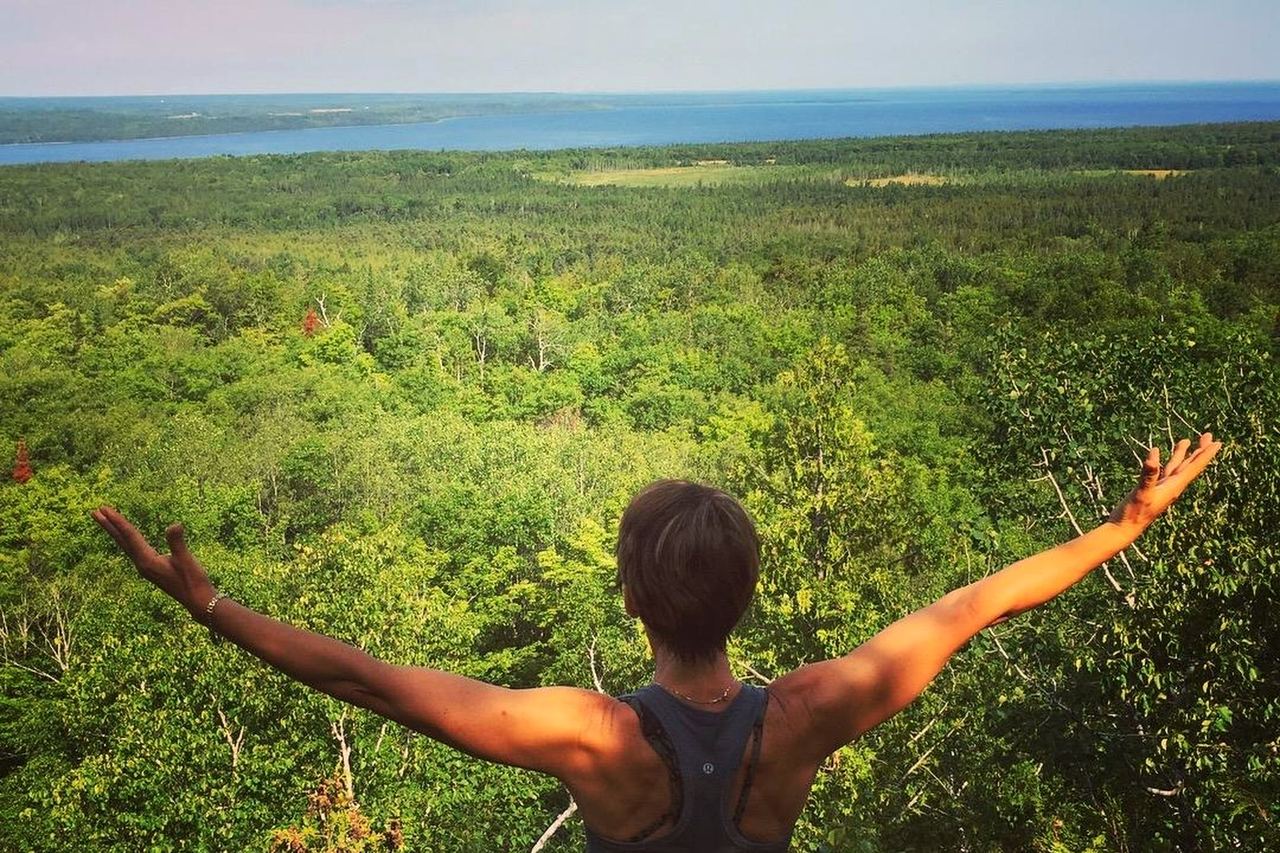
Sylvotherapy — sometimes called forest therapy or, in its Japanese form, forest bathing — is the simple practice of slowing right down and spending mindful, sensory time among trees to calm your body and quiet your mind. It is not a hike to rack up your steps or a race to a summit. It is a gentle way of being in the forest that many people find leaves them noticeably calmer, clearer, and more grounded.
Here in Northern Ontario we are surrounded by some of the most beautiful forest in the country, which makes sylvotherapy wonderfully easy to begin. In this guide I will walk you through what sylvotherapy actually is, why it seems to help your nervous system settle, and how to try it yourself — even on a grey winter afternoon in North Bay.
What Is Sylvotherapy, Exactly?
Sylvotherapy takes its name from the Latin word for forest, and you may also hear it called forest therapy or shinrin-yoku — literally ‘forest bathing.’ The idea is simple and surprisingly old: when you spend unhurried, attentive time among trees, your body tends to settle. Your breathing slows, your shoulders drop, and the mental noise you carried into the woods gradually quiets down.
What sets sylvotherapy apart from a regular hike is intention and pace. A hike has a destination and a heart rate to chase. Sylvotherapy has neither. You might cover only a few hundred metres in an hour, pausing to notice the light moving through the canopy, the smell of pine and damp earth, or the sound of a creek. It is less about doing and more about noticing — a practice of the senses rather than the stopwatch.
Because it asks so little of your body, sylvotherapy is beautifully accessible. You do not need to be fit, fast, or experienced, and you do not need special gear or a gym membership. If you can walk slowly and sit quietly outdoors, you can practise it — which is part of why I love recommending it to clients of every age and stage.
How Forest Therapy May Help Reset Your Nervous System
Most of us live in a near-constant state of low-grade alertness — phones buzzing, deadlines looming, to-do lists that never quite empty. That keeps the sympathetic ‘fight or flight’ side of the nervous system switched on far longer than nature intended. Sylvotherapy seems to gently tip the balance back toward the parasympathetic ‘rest and digest’ state, where the body recovers and repairs.
Research into forest therapy suggests that slow time among trees is associated with lower perceived stress, a calmer mood, and a greater sense of restoration. Some of this may come from phytoncides — the natural compounds trees release that give a coniferous forest its fresh scent. Some of it is simply the effect of slowing down and giving your attention something soft and living to rest on, instead of a screen. I want to be clear that this is general wellness, not medicine: forest therapy is not a treatment or a cure, and it is no substitute for care from your doctor or mental-health professional.
If you are curious about the deeper why, I dig into the details in my article on the benefits of forest bathing. The short version is that you do not have to understand the mechanism to feel the effect. Many people notice they sleep a little better and feel less wound-up after even a single mindful walk in the woods.
Why Sylvotherapy Suits Life in Northern Ontario
We are spoiled here. North Bay and the wider Nipissing District sit in a landscape of boreal and mixed forest, quiet lakeshores, and trail networks that most of the world can only dream about. A proper forest is rarely more than a few minutes away, which removes the biggest barrier to any wellness habit: convenience.
Our seasons also make sylvotherapy feel different throughout the year, and that variety is a gift rather than an obstacle. Spring brings the smell of thaw and the first green haze in the branches. Summer offers deep, cool shade on hot afternoons. Autumn is almost impossibly beautiful as the maples turn. And winter — long, bright, and silent — has a stillness all its own that many people find the most restorative of all.
I often pair gentle forest time with movement for clients who want a bit of both, which is where my outdoor fitness sessions come in. For older adults especially, unhurried walking on natural ground is wonderful for balance and confidence, and it dovetails nicely with the work we do around healthy aging and staying strong for the long haul.
How to Practise Sylvotherapy: A Simple Walk to Begin
You do not need a guide or a formal program to start. Here is a gentle sequence I share with beginners — think of it as a loose framework, not a rulebook.
- Choose an easy, familiar spot. A quiet trail, a wooded park, or even a large stand of trees will do. You want somewhere you can relax, not somewhere you have to navigate.
- Leave the agenda behind. Put your phone on silent (or leave it in the car), and let go of any goal for distance or time. There is nowhere to get to.
- Slow down to a crawl. Walk at perhaps a quarter of your usual pace. If you feel a little impatient at first, that is normal — it usually passes within a few minutes.
- Wake up your senses one at a time. Notice five things you can see, then four you can hear, then three you can smell or feel. Let your attention move outward, away from your thoughts.
- Find a spot to pause. Sit or stand still for five to ten minutes. Watch how the light moves, or simply breathe and let the forest carry on around you.
- Close gently. Before you leave, take a slow breath and notice how your body feels compared with when you arrived. That small check-in helps the calm stick.
A Simple Sylvotherapy Checklist
You truly need very little, but a few basics make the experience more comfortable — especially in our climate. Start with twenty to thirty minutes, and remember that consistency matters far more than duration. As always, if you are new to activity or managing a health condition, check with your physician before starting any new outdoor routine, and dress for the conditions.
- Layered clothing you can add or remove as you warm up or cool down
- Sturdy, weatherproof footwear with good grip for roots, mud, or snow
- Water and, in summer, insect repellent and sun protection
- In winter: warm mitts, a hat, traction cleats, and a hot drink in a thermos
- A small sit pad or folded blanket so you can pause comfortably
- Someone who knows your route, or a charged phone tucked away for safety only
Sylvotherapy in Winter (Yes, Really)
When the temperature drops, most people retreat indoors and quietly write off the outdoors until spring. I would gently push back on that. A snow-hushed forest is one of the most peaceful places on earth, and winter sylvotherapy can be a lovely antidote to the short days and cabin fever that so many of us feel by February.
The approach is the same, just warmer: dress in layers, keep your outings a little shorter, choose packed or groomed trails so your footing is secure, and turn back well before you get cold. Even fifteen minutes standing quietly among snow-laden pines can shift your whole mood. If the winter slump is something you battle, gentle forest time is one of the simplest tools I know to help lift it.
My Own Path to the Forest
My love of the woods is not a professional gimmick — it is how I grew up. I was raised in the mountains of Romania, where my parents taught me a healthy, outdoor life long before it was fashionable, and that connection to nature has shaped everything I have done since moving to Canada in 1996.
Over more than twenty years as a fitness professional — and as a trail runner and triathlete who still spends as much time outside as I can — I have watched what unhurried time in nature does for people, the way it steadies both the body and the mind. Training as a sylvotherapy practitioner simply gave a name and a structure to something I have always believed. When I guide a forest session, my job is mostly to help you slow down enough to let the trees do the rest.
Frequently asked questions
Is sylvotherapy the same as forest bathing?
Essentially, yes. Sylvotherapy and forest bathing (shinrin-yoku) both describe spending slow, mindful, sensory time among trees. The words differ by region, but the practice is the same.
Do I need a real forest, or will a park work?
A leafy park or any decent stand of trees is a fine place to start. A denser, quieter forest often feels more immersive, but the best spot is simply one you can reach easily and return to often.
Can I practise sylvotherapy in winter?
Absolutely. A snowy Ontario forest is beautifully calming. Just dress in warm layers, keep outings shorter, choose safe footing, and head back before you get chilled.
Is sylvotherapy a workout?
Not really. It is a restful practice rather than exercise. If you want movement too, you can pair it with a gentle walk or outdoor session — but the calm comes from slowing down, not from effort.
Ready to feel your best?
You do not need to travel far or train hard to feel steadier — sometimes you just need to step in among the trees and remember how to breathe. If you would like a little guidance and good company for your first walk, come and try one of my guided forest therapy sessions here in North Bay, or reach out for a free intro call. Whether you join me in person locally or connect online, I would love to help you find your own quiet path back to calm.
Note: the information in this article is general in nature and may change over time. It is not individual medical or fitness advice. For guidance tailored to your situation, get in touch or call (519) 209-3500.