
Functional Strength: Training for Real Life, Not Just the Gym
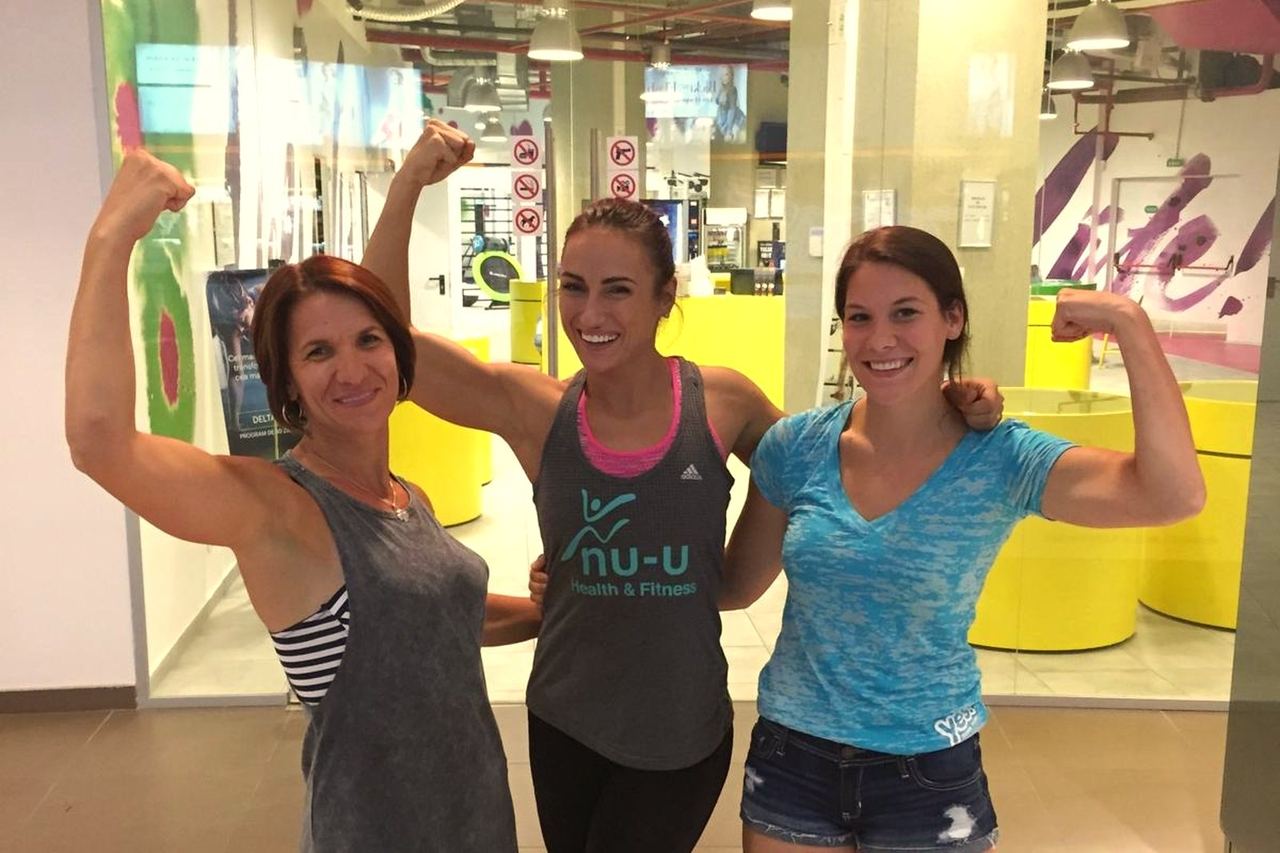
Functional strength is the kind of fitness you actually use: lifting a bag of groceries, climbing the stairs with laundry, shovelling the driveway after a North Bay snowfall, or getting up off the floor without a second thought. It is training for real life, not just for the mirror or the machines. When your body moves the way daily life asks it to, everything from your posture to your confidence changes.
Too many people chase numbers on a machine and still feel stiff, achy, or unsure on their feet. The good news is that building functional strength does not require fancy equipment or hours in the gym. It requires movement that mirrors how you live, done consistently and with good form. That is exactly the kind of training I have taught for two decades, and it is where lasting results really begin.
What Functional Strength Really Means
Functional strength is your ability to produce force in the movement patterns you use every day: pushing, pulling, squatting, hinging at the hips, rotating, and carrying. Instead of isolating one muscle at a time, functional training teaches your muscles, joints, and nervous system to work together as a coordinated team, the way they do in real life.
Think about a simple task like carrying groceries from the car in the middle of a Northern Ontario winter. You are gripping, stabilizing your core, staying balanced on an icy path, and often twisting to close the door, all at once. Traditional single-muscle exercises rarely prepare you for that. Functional strength does, because it trains the whole chain of movement rather than one link.
This approach also respects how your body is built to move. Over more than 20 years as a fitness professional and personal trainer, I have seen that people who train movements, not just muscles, tend to feel stronger in daily life far sooner than those grinding away on isolated machine work.
Why Functional Strength Matters More As You Age
Somewhere in our thirties, we begin to lose muscle mass gradually unless we actively work to maintain it, and that loss tends to speed up over the decades. Research suggests that strength training is one of the most effective ways to slow this process and protect independence, balance, and everyday capability well into later life.
The stakes are practical, not vanity. Functional strength is what lets you rise from a low chair, catch yourself if you stumble on an uneven Ontario trail, carry a grandchild, or keep gardening and hiking for years to come. My work has focused heavily on older-adult fitness and healthy aging, and the pattern is consistent: strength you can use is strength that keeps you living the life you love.
This is general wellness guidance, not medical advice. If you are over 50, managing a health condition, or returning after a long break, please check with your physician before starting a new program. Then we can build something that meets you exactly where you are through healthy aging coaching or a plan tailored to your body.
The Core Movement Patterns to Train
You do not need dozens of exercises. You need to cover the fundamental patterns that show up in daily life and train them regularly. Master these and you cover almost everything your body asks of you day to day.
Start light, prioritize clean technique over heavy load, and build gradually. Quality of movement always comes before quantity.
- Squat: sitting down and standing up, from chairs, cars, and the floor.
- Hinge: bending at the hips to lift with a strong, protected back.
- Push: moving something away from you, like a door or a heavy box.
- Pull: bringing something toward you, from a drawer to a rope.
- Carry: holding and transporting load while staying stable and balanced.
- Rotate and anti-rotate: twisting to reach, and resisting a twist to stay steady on slippery ground.
Where Pilates and Core Work Fit In
Functional strength is not only about big muscles; it is built on a stable, responsive core and good posture. This is where Pilates shines. Certified as a Pilates instructor since 2007, I have watched Pilates transform how people carry themselves, breathe, and move, because it trains deep core control, spinal alignment, and mobility all at once.
A strong, coordinated centre is the foundation every other movement depends on. When your core does its job, your shoulders, hips, and back are protected during real-life lifting and twisting. If you sit at a desk much of the day, this matters even more, and a few simple resets can undo a lot of stiffness, as I cover in this desk mobility routine.
Whether you are brand new or refining your form, group Pilates classes and posture, balance and core sessions are two of the most direct routes to the kind of functional strength you feel in everything you do.
A Simple Weekly Framework You Can Actually Keep
The best program is the one you will do consistently, especially through a long Canadian winter when motivation dips. You do not need to train every day or exhaust yourself. Two to three focused sessions a week, combined with staying generally active, is enough to build meaningful functional strength for most people.
Here is a straightforward way to structure your week. Adjust the load and intensity to your level, and remember that soreness is not the goal, steady progress is.
- Two full-body strength sessions covering squat, hinge, push, pull, and carry patterns.
- One core and mobility session, such as Pilates or focused posture and balance work.
- Daily movement snacks: short walks, stairs, or a few bodyweight squats between tasks.
- One outdoor session when weather allows, to combine strength with fresh air and balance on natural terrain.
- At least one full rest or gentle recovery day so your body adapts and gets stronger.
Common Mistakes That Hold People Back
Even motivated people stall when a few avoidable habits creep in. Watching for these keeps your training safe, effective, and sustainable over the long haul.
If you are unsure whether your form is right, that is exactly when coaching pays off. A trained eye catches the small adjustments that prevent injury and unlock progress, which is the heart of personal training whether we work together in North Bay or online.
- Chasing heavy weight before you own the movement pattern with clean form.
- Skipping the hinge and core work, then wondering why your back feels vulnerable.
- Training only what you can see in the mirror and neglecting posture and balance.
- Doing the same routine forever instead of gradually progressing the challenge.
- Ignoring recovery, sleep, and nutrition, which is where strength is actually built.
- Comparing yourself to others instead of measuring progress against your own starting point.
Training Local and Online, All Year Round
One of the best things about functional strength training is that it travels. Here in North Bay and across the Nipissing District, I coach clients in person, and when the weather turns or life gets busy, we simply move online. Many people across Canada and the United States now train with me from their own living rooms, getting the same personalized guidance without the drive.
That flexibility is what keeps progress steady through every season. A snowstorm no longer means a missed workout, and a work trip does not derail your momentum. If you have wondered whether virtual coaching can really work, I share exactly how it delivers results in this piece on online coaching, and you can experience it yourself through online classes.
Frequently asked questions
What is the difference between functional strength and regular strength training?
Regular strength training often isolates one muscle at a time on machines. Functional strength trains whole movement patterns, like squatting, lifting, and carrying, so the strength you build directly transfers to everyday tasks and daily life.
Do I need equipment or a gym to build functional strength?
No. Many functional exercises use your own bodyweight, and simple tools like a resistance band or a single weight go a long way. You can train effectively at home, in person, or online with proper guidance on form.
Is functional strength training safe for beginners and older adults?
Yes, when it is scaled to your level and done with good technique. Start light, focus on form, and progress gradually. If you have a health condition or are new to exercise, check with your physician first, then work with a qualified coach.
How often should I train for functional strength?
For most people, two to three focused sessions a week, plus staying generally active, is enough to build and maintain meaningful functional strength without burning out or risking overtraining.
Ready to feel your best?
Functional strength is not about lifting the heaviest weight in the room. It is about moving through your life with ease, confidence, and resilience, this winter and for decades to come. If you are ready to build strength you can actually use, I would love to help you start where you are and grow from there. Book a free intro call and let’s map out a plan that fits your body and your goals, in person in North Bay or online through personal training. Move well, age strong, and live vibrant. Get in touch whenever you are ready.
Note: the information in this article is general in nature and may change over time. It is not individual medical or fitness advice. For guidance tailored to your situation, get in touch or call (519) 209-3500.