
Pilates for Beginners: What to Expect in Your First Class
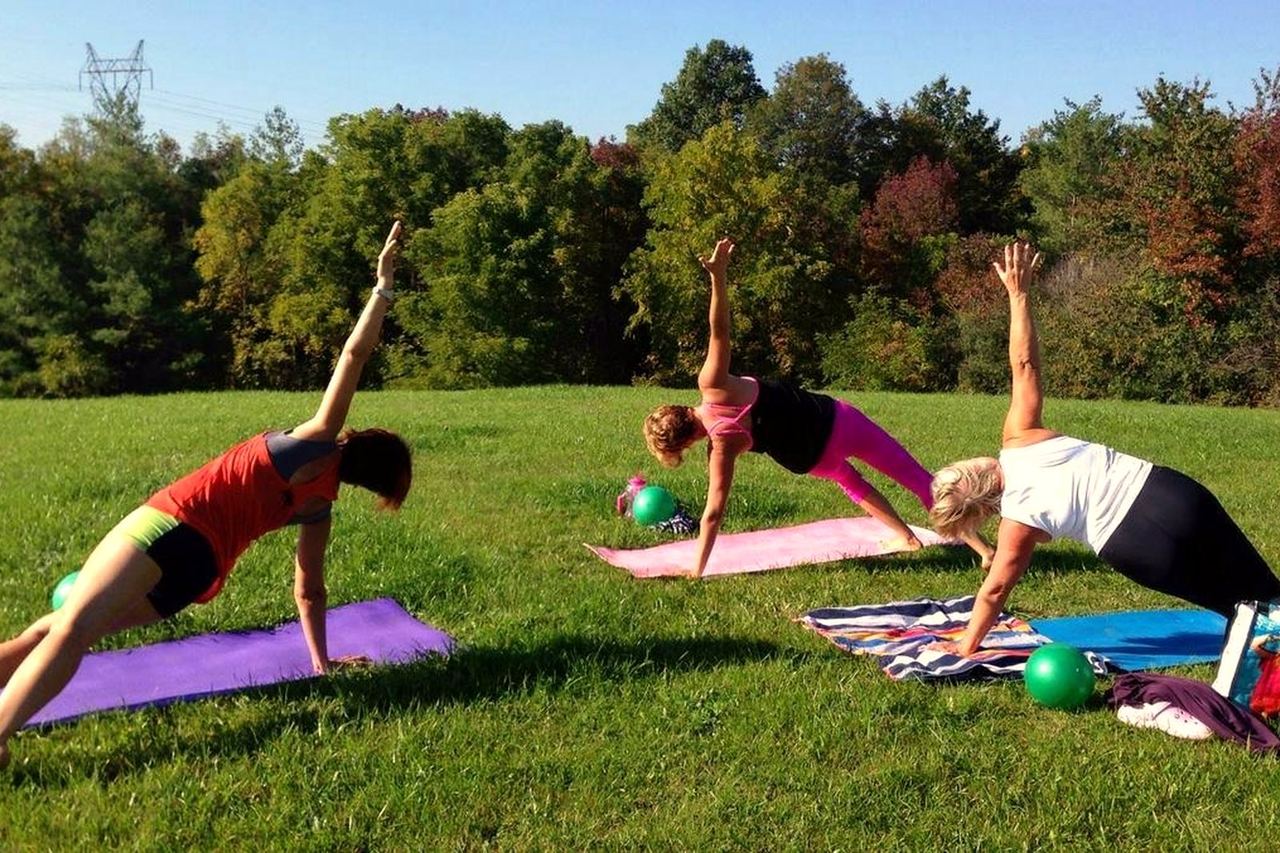
Signing up for Pilates for beginners can feel a little intimidating. You picture a room full of bendy experts on strange-looking machines while you’re just hoping to touch your toes. Here’s the good news: your first class is about learning to move with control and breath, not performing for anyone. In North Bay and online across Canada and the USA, I welcome complete beginners every week, and almost all of them leave surprised by how doable and how good it felt.
I’ve been teaching Pilates since I earned my certification in 2007, and I’ve watched hundreds of first-timers turn nervous shoulders into strong, confident cores. This guide walks you through exactly what to expect in your first class, what to wear, the moves you’ll likely try, and how to keep it going through even the longest Ontario winter.
What Pilates Actually Is (and Isn’t)
Pilates is a low-impact method of movement built around control, breathing, and deep core engagement. It was developed by Joseph Pilates nearly a century ago as a way to build strength from the inside out, and it has stayed popular because it works for almost every body and every age. Rather than chasing sweat or heavy weights, Pilates teaches you to move each part of your body with intention, stabilizing your centre while your arms and legs do the work.
For beginners, the most reassuring thing to know is what Pilates is not. It isn’t about being flexible, thin, or already fit. It isn’t a punishing workout that leaves you crawling to your car. And it isn’t a replacement for your doctor’s guidance. It’s a form of movement education that complements walking, strength training, and the outdoor activities so many of us love here in Northern Ontario.
What to Expect in Your First Pilates Class
Walk into a beginner Pilates class and the first thing you’ll notice is the pace. We start slow. Your instructor will guide you through a gentle warm-up, then introduce the breathing pattern that powers every movement: a steady inhale through the nose and a full exhale as you engage your core. That breath is the secret ingredient, and it’s the first thing I teach every newcomer.
From there you’ll move through a sequence of controlled exercises on a mat, usually lying down, seated, or on all fours. Nobody expects you to know the moves. A good instructor demonstrates each one, offers an easier version and a harder version, and walks the room to check your form. You’ll be encouraged to work at your own level, never to push into pain. In my classes I remind people constantly that Pilates is not a competition. The person beside you isn’t watching you, and I’m certainly not judging. We’re all just learning to move well.
A typical beginner session runs 45 to 60 minutes. Don’t be surprised if you feel muscles you didn’t know you had, especially deep in your abdomen and along your spine. A little gentle soreness the next day is normal; sharp pain is not. If anything hurts, ease off and let your instructor know.
What to Wear and Bring
Pilates needs very little gear, which makes it one of the easiest ways to start moving. Comfort and grip matter far more than anything fancy. Here’s a simple checklist to pack the night before your first class.
- Comfortable, fitted clothing you can move in, like leggings and a snug top, so your instructor can see your alignment
- Grip socks or bare feet, since most Pilates is done without shoes
- A water bottle to stay hydrated
- Your own mat if you have one, though studios usually provide them
- A small towel and any props your class uses, such as a resistance band or a soft ball
- An open mind and a little patience with yourself
Beginner Moves You’ll Likely Try
Every studio sequences things a little differently, but most beginner classes share a handful of foundational moves. Here are a few you’re likely to meet in your very first class.
- The Hundred: a classic breathing and core-warming exercise where you pump your arms while holding a gentle curl
- Pelvic curls, or bridging: rolling your spine up and down one vertebra at a time to wake up your glutes and lower back
- Single-leg stretch: drawing one knee in at a time to build core control without straining your neck
- Spine stretch forward: a seated reach that lengthens tight hamstrings and improves posture
- Cat-cow and quadruped work: gentle spinal mobility on all fours that feels wonderful after a day at a desk
- Standing balance work: simple weight shifts that carry over directly to walking on icy Ontario sidewalks
The Real Benefits for Beginners
So why do so many people stick with it? For most beginners, Pilates delivers a quiet but noticeable shift within a few weeks. You stand taller. You reach the top shelf without a twinge. You feel steadier on your feet. Research suggests that consistent core and mobility work supports core strength and better posture, and many people find their everyday aches ease as they learn to move with more control.
Because it’s low-impact and endlessly adaptable, Pilates is one of my favourite tools for healthy aging. I’ve specialized in older-adult fitness since 2006, and I’ve seen how much confidence a stronger centre can give someone at any stage of life. That said, Pilates is coaching and movement education, not medical treatment. If you’re managing an injury, a pregnancy, or a health condition, check with your physician before you begin, and tell your instructor so we can tailor things safely.
Mat, Reformer, or Private? Choosing Your Starting Point
New students often ask where to start: mat, reformer, or private. Mat Pilates uses your own body weight and a few small props, making it the most accessible and affordable entry point. It’s how most beginners begin. Reformer Pilates adds a spring-loaded machine that provides both support and resistance; it can be wonderful, but it’s easier to appreciate once you understand the fundamentals.
If you’re nervous, recovering from something, or simply want faster progress, a private Pilates session lets us build a program entirely around you before you ever join a group. Otherwise, a small-group beginner Pilates class gives you expert eyes on your form plus the encouragement of moving alongside others. There’s no wrong door here, only the one that gets you moving.
Making Pilates Stick Through an Ontario Winter
The hardest part of any new routine isn’t the first class. It’s the fortieth. When the North Bay winter sets in and it’s dark by five, motivation can be tough to find. That’s exactly when a low-impact, indoor practice like Pilates earns its keep. A few small habits make all the difference.
- Book your classes in advance and treat them like any other appointment
- Pair Pilates with something you already do, like a class right after work before you head home and hibernate
- Start with two sessions a week; consistency beats intensity every single time
- Keep a mat by the couch for a ten-minute refresher on days you can’t make it in
- When the roads are bad, switch to a live online class from your living room so winter never breaks your streak
Frequently asked questions
Do I need to be flexible or fit to start Pilates?
Not at all. Flexibility and strength are results of Pilates, not requirements for it. Beginners of every age and ability start exactly where they are, and every move can be modified to fit your body.
How often should a beginner do Pilates?
Two to three sessions a week is a great starting point for most people. Even one class a week builds noticeable core awareness. Consistency matters far more than frequency or intensity.
Is Pilates enough exercise on its own?
Pilates is a fantastic foundation for core strength, posture, and mobility, but a well-rounded routine also includes some cardio and strength work. It pairs beautifully with walking, hiking, and functional training.
What's the difference between Pilates and yoga?
Both value breath and body awareness, but Pilates focuses more on core control, stability, and repeatable strength work, while yoga leans toward flexibility, holds, and mindfulness. Many people happily do both.
Ready to feel your best?
Your first Pilates class is simpler, kinder, and more doable than you think, and the hardest step is just showing up. Whether you’re in North Bay or joining online from anywhere in Canada or the USA, I’d love to help you start strong and move with confidence. Book a free intro call or try a beginner Pilates class, and let’s build a practice that helps you move well, age strong, and live vibrant.
Note: the information in this article is general in nature and may change over time. It is not individual medical or fitness advice. For guidance tailored to your situation, get in touch or call (519) 209-3500.